Olga Wierzbicka
-
CJEU Judgment in Case C-70/25 (Tukowiecka): Refund First, Argue About Gross Negligence Later
Olga Wierzbicka
·
A bank may not refuse an immediate refund of an unauthorised payment transaction merely because it believes the customer made it possible through gross negligence. That is the ruling of the Court of Justice of the European Union in its judgment of 15 October 2026 in case C-70/25 (Tukowiecka).
-
Restructuring or Bankruptcy: Rescue Proceedings for Entrepreneurs
Olga Wierzbicka
·
Restructuring and bankruptcy are two fundamentally different legal instruments: the first is meant to save the business, the second to bring it to an orderly end. We explain the key differences, the deadlines, the consequences for the management board and the four types of restructuring proceedings.
-
Branch or Subsidiary? How a Foreign Company Should Enter the Polish Market
Olga Wierzbicka
·
Branch or subsidiary in Poland? A comparison of liability, taxation, the registration procedure and the most common mistakes when choosing a form of market entry.
-
Liquidation of a Polish Limited Liability Company (sp. z o.o.)
Olga Wierzbicka
·
Dissolving a sp. z o.o. does not happen automatically or on the strength of a single decision. It is a formalised, multi-stage procedure — from the shareholders' resolution and the opening balance sheet, through publication in the Court and Commercial Gazette and a six-month protective period, to removal from the commercial register. We explain the course, the effects and the costs.
-
Electronic Filing of Notarial Deeds in Property Purchases by Foreigners — the President Has Signed the Amendment
Olga Wierzbicka
·
On 18 August 2026 the act amending the Act on the Acquisition of Real Estate by Foreigners and the Notaries Act was published. Notaries will transmit copies of notarial deeds to the Minister of the Interior exclusively by electronic means, through the Central Repository of Electronic Copies of Notarial Deeds (CREWAN). The new rules take effect in November 2026.
-
Deregulation in Social Dialogue: the End of Written Form as the Only Option in Dealings with Trade Unions and Works Councils
Olga Wierzbicka
·
A government bill has been submitted to the Sejm allowing employers to communicate with trade unions and works councils in documentary or electronic form — where until now only written form was permitted. We explain the scope of the changes, their limits, and the objections raised by the social partners.
-
Amendment to the Labour Code and the Code of Civil Procedure: a New Definition of Mobbing and Higher Awards
Olga Wierzbicka
·
On 30 July 2026 the President of Poland signed the so-called anti-mobbing act, amending the Labour Code and the Code of Civil Procedure. The new provisions introduce a precise definition of mobbing, higher minimum awards, a reversed burden of proof and new employer duties. They take effect in autumn 2026.
-
New Technologies and AI in Legal Practice – Ethics, Responsibility and Client Safety
Olga Wierzbicka
·
The Polish Bar Council has adopted a new § 23e of the Code of Advocates' Ethics. We explain how advocates may use artificial intelligence without compromising professional secrecy or client safety.
-
A Revolution in Polish Family Foundations? The Government Plans Deep Tax and Structural Changes
Olga Wierzbicka
·
The Polish government has published a review of the family foundation and 25 proposed changes: scrapping the CIT exemption, shifting tax to beneficiaries via PIT, and moving the register into the KRS.
-
Mandatory Helmets for Children Under 16 – New Rules in Poland from 3 June 2026
Olga Wierzbicka
·
From 3 June 2026, children under 16 in Poland must wear a helmet on bicycles, e-scooters and personal transporters. The guardian — not the child — is liable, with a fine of up to PLN 100.
-
Major Public Procurement Reform in Poland for 2027 – an Overhaul of the KIO and the Appeal Procedure
Olga Wierzbicka
·
The President of Poland's Public Procurement Office has drafted a fundamental reform of the Public Procurement Law for 2027: sharply higher appeal fees, the end of the automatic 30% rule and a new burden of proof before the KIO.
-
Court of Justice of the EU Rules: No More Interest on Costs the Borrower Never Received
Olga Wierzbicka
·
The CJEU judgment of 23 April 2026 in case C-744/24 confirms that banks may charge interest only on amounts actually paid out to the consumer — not on sums that include fees or insurance premiums the client never received. The ruling potentially affects up to 18 million consumer credit agreements in Poland.
-
Poland's Civil Procedure Code Amendment — Key Changes for Legal Representatives (March 2026)
Olga Wierzbicka
·
On 1 March 2026, an amendment to Poland's Code of Civil Procedure (KPC) entered into force (Journal of Laws 2025, item 1172), introducing significant changes for professional legal representatives. The reform covers digitalisation of proceedings, simplification of service, and mandatory mediation in construction disputes.
-
"Length of Service" 2026 — New Rules Allowing Periods Other Than Employment to Count Towards Seniority
Olga Wierzbicka
·
The act of 26 September 2025 amending the Labour Code took effect on 1 January 2026. Employees will be able to count towards their length of service periods of professional activity other than employment under a contract of employment — including self-employment, mandate contracts and work abroad. We explain who is covered, when, and how to document those periods.
-
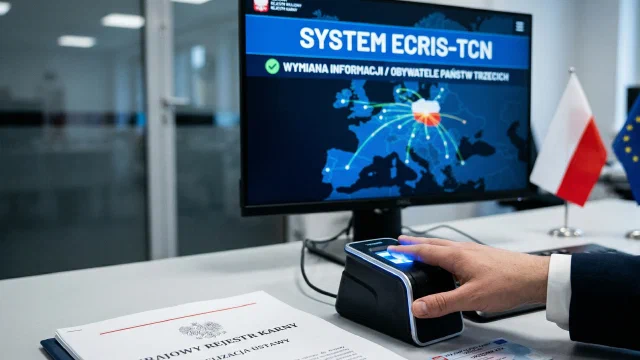
Amendment to the National Criminal Register Act: Poland Implements the ECRIS-TCN System
Olga Wierzbicka
·
Significant changes are under way in Polish law concerning the international exchange of information on criminal convictions. Poland is implementing ECRIS-TCN — a central database that makes it possible to establish almost instantly in which EU Member State a foreign national has previously been convicted.
-
Pay Transparency 2026 — New Employer Duties Under the EU Directive
Olga Wierzbicka
·
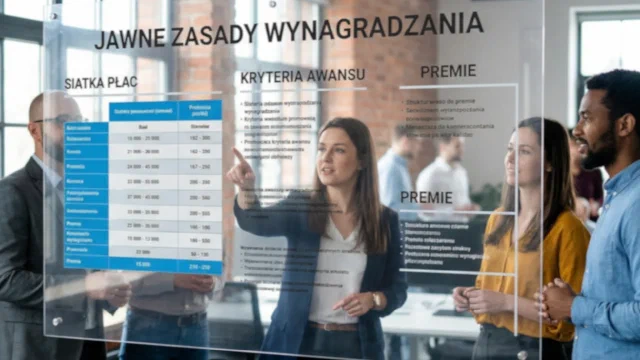
From 7 June 2026 every employer in Poland will have to disclose its pay-setting criteria, give employees access to pay data and — where it employs more than 100 people — report its gender pay gap. We explain what EU Directive 2023/970 changes and how to prepare.